
Build an approval‑ready credit profile
Understand what’s driving your credit decisions, identify items that may be unfair or inaccurate, and take a structured next step toward stronger approvals and better terms.
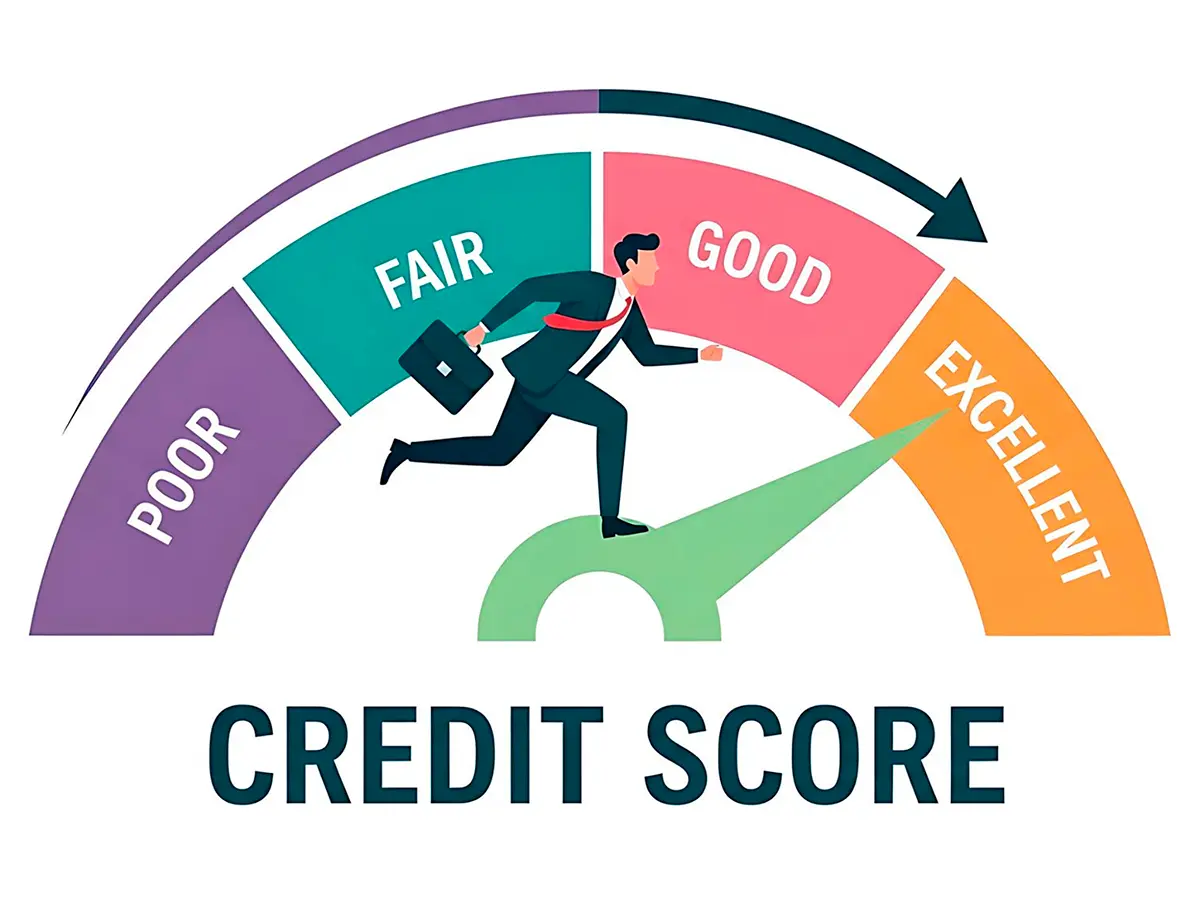
Built around established U.S. credit reporting practices and dispute procedures under the Fair Credit Reporting Act (FCRA). No unrealistic promises—just clarity, documentation, and structured credit improvement.
Unlock more options
Choose the outcome you care about. We’ll outline what improves it—and what to watch for—so you can move forward with confidence.
Your path to stronger credit
A stronger credit profile can mean better approval odds, improved loan terms, and more financial flexibility. Get a clear, no-fluff overview of what credit improvement can help you achieve — then take the next step when you're ready.
Credit decisions in the U.S. are typically influenced by payment history, utilization ratios, account age, recent inquiries, and the accuracy of reporting across major credit bureaus.
Even small inconsistencies can affect lending algorithms. A structured credit improvement approach focuses on verified data, responsible usage patterns, and consistent financial behavior.
*Results vary. This page does not guarantee outcomes.
How it works
A straightforward workflow used by reputable credit‑support programs: review, challenge what’s questionable, and build stronger habits while updates are processed.

Review your starting point
Clarify your goal and look at what’s currently affecting approvals and terms.

Identify what can be challenged
See what information is typically needed, what to expect next, and how the workflow usually looks.

Move forward
Continue to explore available options and take the next step toward better credit outcomes.
how to clear your credit without overspending
Clearing your credit isn't magic; it's a checklist. Focus on what moves the score, skip gimmicks, keep cash in your pocket. The plan below is lean, repeatable, and realistic.
Know your numbers
Pull your free reports from annualcreditreport.com and a free score source. You're scanning for patterns, not drama.
- Wrong names, addresses, or accounts
- Late payments and their dates
- Collections and who owns them
- Card balances versus limits (utilization)
- New hard inquiries
Fix errors first (free)
Dispute clear inaccuracies with the bureaus and the furnisher. Attach a screenshot, statement, or bank record. Be specific: what's wrong, what it should be, and why. Most investigations wrap in about 30 days. Keep copies; if they verify without proof, re-dispute with better documentation.
Stop the bleeding
- Autopay the minimum on every open account today.
- Call lenders, ask for hardship plans or late-fee waivers.
- Set payment dates near payday to avoid misses.
- Keep old cards open unless fees outweigh benefits.
Lower utilization quickly
Your score often jumps when balances drop. Pay cards before the statement cuts so reported balances are low. Two small payments a month can help. Ask for a credit-limit increase on clean, low-balance cards (no fee, no new credit). Avoid adding debt to raise limits.
Handle collections smartly
First, request written validation so you know who owns the debt and the amount. If you can settle, negotiate politely for a lower payoff and ask whether they'll update as "paid" or consider a deletion. Get every agreement in writing before paying. Pay with a method that gives you a receipt and control.
Negotiation line (short)
"I can pay $280 this Friday if we agree in writing you'll report the account as paid and close it out." Calm beats pressure.
Build positive data
A thin file needs fresh on-time history. A low-fee secured card or credit-builder loan works; charge a small recurring bill and pay in full. Consider reporting rent or utilities if cheap. One or two accounts, used lightly, are enough; more is not better.
A quick real-world win
At the grocery checkout, my $500-limit card nearly declined. I'd been running it to $470 each month. I switched to mid-cycle $50 payments, let the statement close at $60, and the next month the tap sailed through - and my score ticked up 32 points. Not flashy, just timing.
Simple weekly routine
- Open your app, note balances and due dates.
- Send a small extra payment to the highest-utilization card.
- Tackle one dispute, call, or follow-up email.
- Log wins and changes; adjust next week's plan.
Avoid traps
- Multiple new cards in a rush.
- Closing your oldest account without a plan.
- Paying pricey "repair" services to mail disputes you can send.
- Letting small balances linger and report month after month.
Staying clear
Keep a mini emergency fund, enable alerts, and review reports every quarter. Progress is steady, not cinematic. With controlled steps and a tight budget, your credit can get cleaner - and stay that way.
Cleaning your credit reports is crucial for a fairly reported credit score. Our guide breaks down how you can do just that.
Do your homework, gather evidence and either dispute your account if it's an error or ask for a goodwill deletion if you paid the collection.
Wondering how to clean up your credit report? Don't worry--we've got you covered. Keep reading to learn more.
Frequently asked questions
A clear next step — without the guesswork
See what’s impacting approvals and what may deserve a closer look.
Understand how disputes are structured and what documentation matters.
Improve utilization, consistency, and long-term credit stability.
See what improving your credit could change
Take a structured next step based on your current profile — and decide with clarity.